Ammonia (NH3)
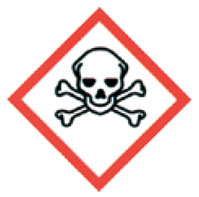
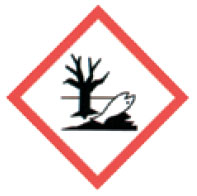
Ammonia is a colourless, pungentsmelling and extremely irritating gas which can be liquefi ed into a colourless liquid. Reacts violently with acids and oxidants developing heat. Ammonia gas may burn but is not easily combustible.
Effect on the skin
Irritating to the skin, eyes and mucous membranes, and can cause corrosion. Liquid ammonia also causes cryogenic burns.
Protection
Use protective gloves (e.g. neoprene, nitrile or PVC) and facial protection (at least eye protection), as well as appropriate protective clothing. Possibility of emergency shower and eye rinse.
First aid
Remove contaminated clothing immediately. Rinse the skin with plenty of water and seek medical attention if necessary. Rinse the eyes immediately with plenty of water for at least 20 minutes. Seek medical attention.
Inhalation
Poisonous when inhaled. The gas is an irritant and, at higher concentrations, is corrosive to the eyes and mucous membranes of the respiratory system. Causes coughing, irritation, watering of the eyes and respiratory difficulties. High concentrations may cause rapid death due to swelling of the throat or pulmonary oedema.
Prevention
Good ventilation and local removal. Check ammonia concentrations. At small concentrations use a full mask with an ammonia filter (ABEK). When dealing with high concentrations and WHENEVER THERE IS AN ACCIDENT, use self-contained breathing apparatus (SCBA) and sealed, whole-body hazardous materials suits.
First aid
Fresh air. If breathing has stopped, give mouth-to-mouth resuscitation and oxygen. If the heart has stopped, give CPR. Must be taken to hospital immediately.