Oxygen, cryogenic (O2)
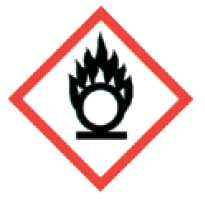
An oxidiser, maintains combustion. Ignites oils and other materials which contain lipids, and causes smouldering fire to burst into flame. The combustion reaction is extremely powerful. An increase in oxygen content of just a couple of per cent will cause a rapid increase in the speed of combustion of e.g. clothing. As it gasifies, the liquid oxygen forms a misty cloud. An oxygen cloud can be dispersed using water spray.
Effect on the skin
Causes cryogenic burns upon contact with the skin.
Protection
Use eye protection and loose, insulated protective gloves (not rubber). Protective clothing may not be flammable material and it should be easily removable (risk of freezing and fire).
First aid
Cryogenic burns should be rinsed in warm water (max. +35°C). Massage, warming or rinsing with water which is too warm, will worsen the injury. Seek medical attention as soon as possible.
Inhalation
At normal pressure, oxygen can be inhaled for several hours without risk to health. Long-term exposure to a minimum of 80% oxygen can easily cause inflammation of the respiratory tract. The inhalation of pure oxygen under increased pressure may cause oxygen poisoning with symptoms including tunnel vision, pupil dilation and loss of vision.
Prevention
Good ventilation. Seek a medical examination if symptoms of respiratory irritation occur.
First aid
High concentrations of oxygen absorbed into clothing will greatly increase the risk of ignition. Oxygen that has been absorbed by clothing dissipates very slowly. Clothing which has absorbed oxygen should be aired for a minimum of 30 minutes. The temperature of the liquid is -183 °C.