Formic Acid (HCOOH)
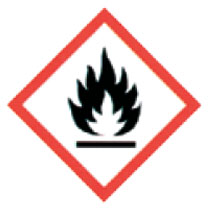
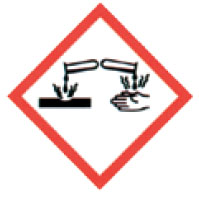
Formic acid is a colourless, corrosive and volatile liquid with a pungent and penetrating odour. It forms a mist in humid air. Formic acid corrodes several metals (e.g. aluminium, lead, cast iron). When stored over long periods of time, strong formic acid forms flammable and poisonous carbon monoxide gas.
Effect on the skin
The liquid is corrosive to the skin and causes painful redness, irritation and blistering. Formic acid is easily absorbed by the skin. An employee splashed in the face and neck with hot formic acid experienced skin damage, respiratory diffi culty and death after six hours. Long-term or repeated exposure of the skin to formic acid may cause a rash. Vapours can cause chronic inflammation in the conjunctiva in the eye.
Protection
Use protective gloves (e.g. neoprene or PVC) and facial protection (at least eye protection), as well as appropriate protective clothing. Possibility of emergency shower and eye rinse.
First aid
Remove contaminated clothing immediately. Rinse the skin with plenty of water and seek medical attention if necessary. Rinse the eyes immediately with plenty of water for at least 20 minutes. The patient should be attended to by a medical professional.
Inhalation
Formix acid vapours are a powerful irritant to the nose and throat, inducing coughing and tightness in the chest. After inhalation of large quantities of formic acid, preparations must be made to prevent and treat swelling of the throat, respiratory distress, and respiratory inflammation.
Prevention
Good ventilation and an appropriate respirator. When dealing with high concentrations and WHENEVER THERE IS AN ACCIDENT, self-contained breathing apparatus (SCBA) and sealed, whole-body hazardous materials suits must be used.
First aid
Fresh air. Should respiratory problems occur, provide oxygen and give mouth-to-mouth resuscitation if necessary. The patient should be taken to hospital.
AIV solutions (cf. formic acid)
The primary component of the silage preservatives is formic acid, which occurs in the products at concentrations of 30 – 80%.